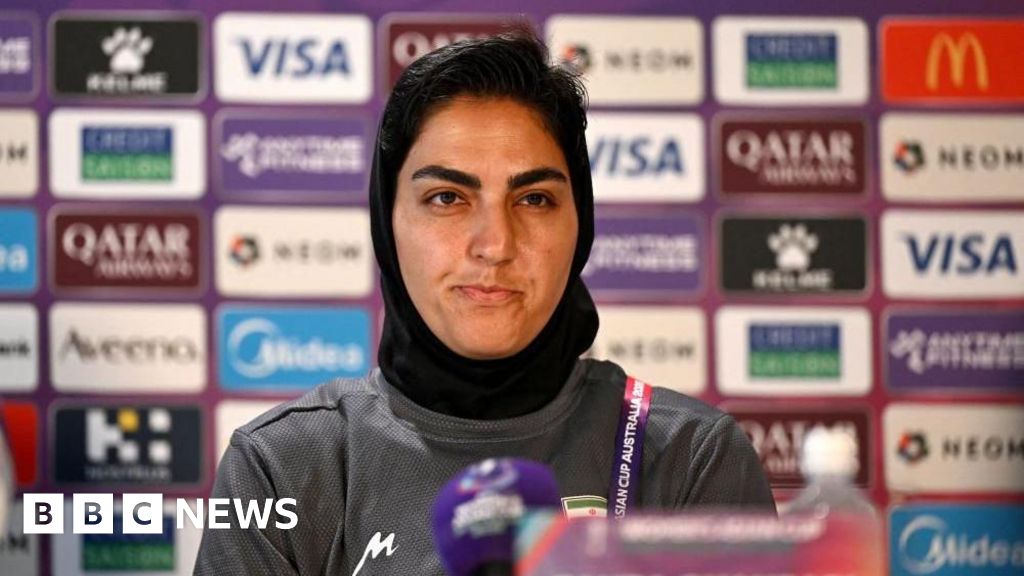
In a recent development, the captain of Iran's national football team has become the latest athlete to abandon his attempt to seek asylum abroad, according to Iranian state media reports. This move comes amidst a broader context of political unrest and international scrutiny of Iran's human rights record.
Earlier, a group of athletes from Iran's women's football delegation, who initially sought to stay in Australia, have now decided to return to Iran. Out of seven members, five have chosen to go back, citing personal or political reasons for their decision. This exodus of athletes highlights the complex situation faced by Iranian sports figures amid ongoing tensions between Iran and Western countries.
The decision of the football captain to drop his asylum bid marks a significant moment, as it reflects the pressures and challenges faced by Iranian athletes who consider seeking refuge abroad. Many athletes and officials have expressed fears of political repercussions or restrictions upon their return, which influences their choices.
International observers are closely monitoring these developments, viewing them as indicators of the broader political climate within Iran. The athletes' decisions to return or abandon their asylum pursuits may impact Iran's international sports relations and its reputation on the global stage.
Despite these setbacks, some analysts believe that the situation remains fluid, with potential for further changes depending on political and diplomatic developments. The Iranian government continues to emphasize national pride and loyalty among its athletes, even as some face internal and external pressures.
As the situation unfolds, the international community remains attentive to the plight of Iranian athletes and the broader implications for human rights and political freedom in Iran. The decisions made by these sports figures could serve as a barometer for the country's internal dynamics and its relations with the world.